Mustard oil has a long history in Bengali kitchens. Bhorta, bhaji, fish curry or pickle: one spoon of pure mustard oil changes the whole dish.
What is a ghani?
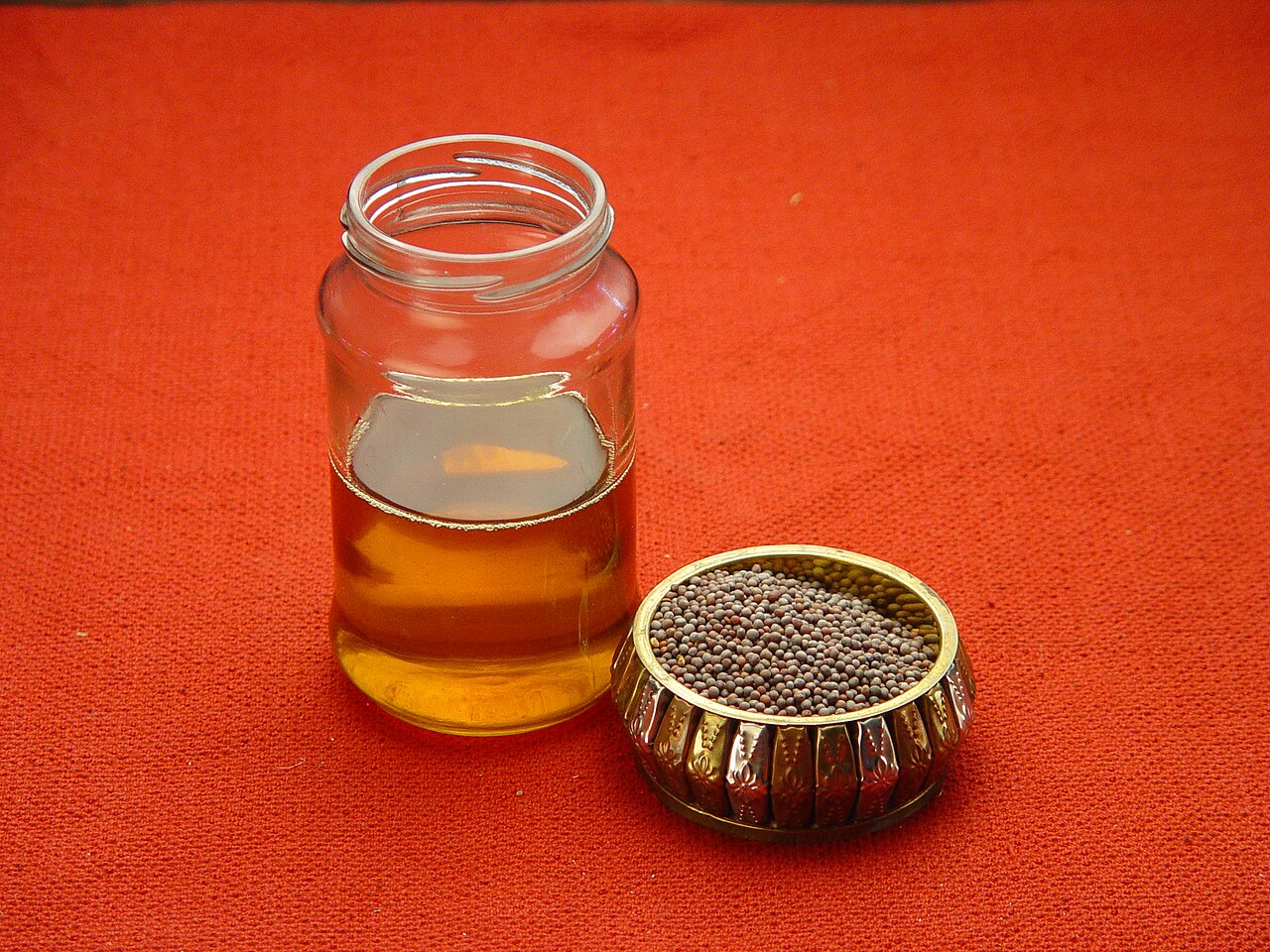
A ghani is the traditional way of pressing oil from mustard seed. The seed is crushed slowly in a wooden or stone mortar, so the oil never gets very hot. Oil pressed like this keeps more of the seed's own aroma and bite, which is why many people call it kachchi ghani or cold-pressed oil.
Where does the bite come from?
When mustard seed is crushed, natural substances inside it react and form a pungent compound: that is the familiar sharpness you feel in your nose. Good ghani oil is golden, strongly aromatic and leaves a little heat on the tongue.
Where it shines
- Bhorta: a little raw oil on mashed potato, aubergine or dried fish doubles the flavour.
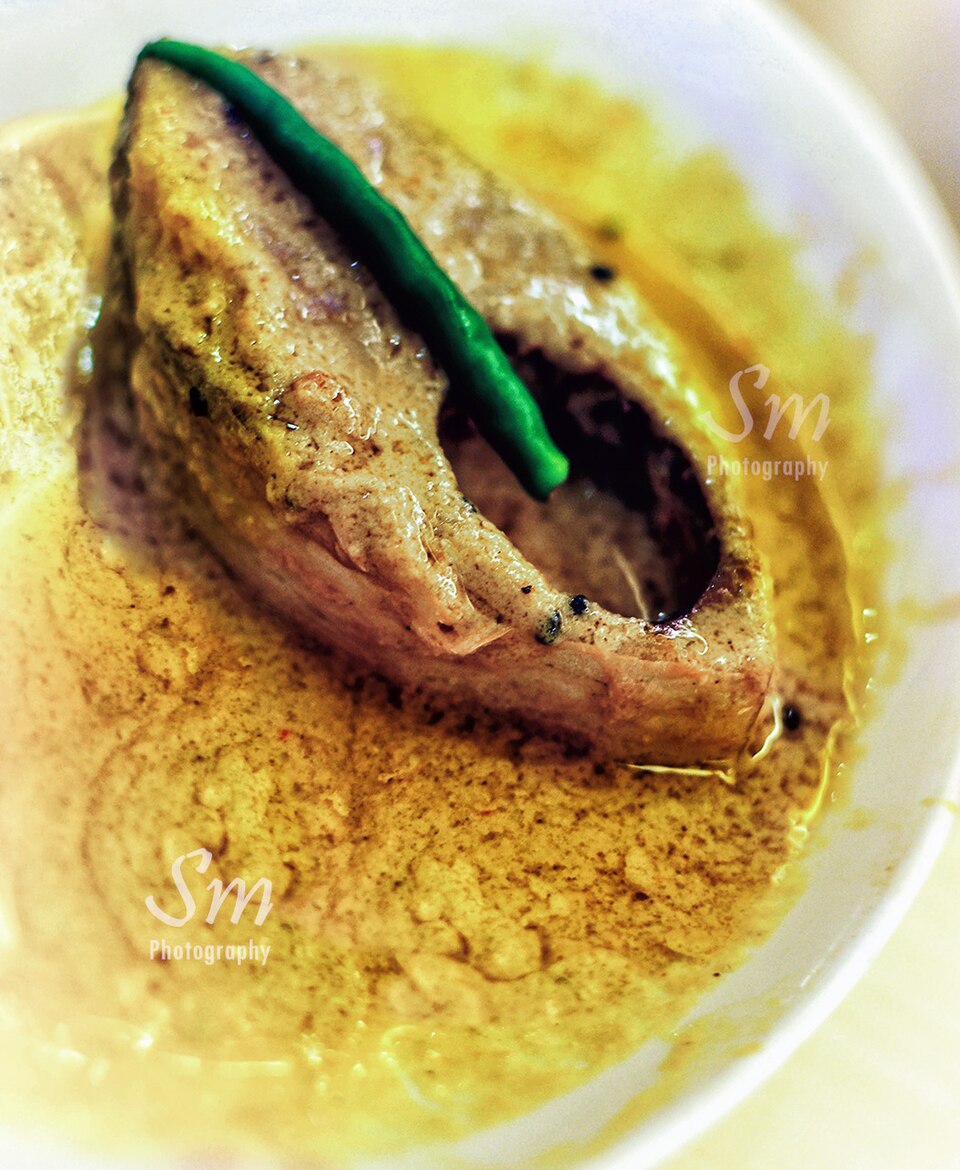
- Fish: shorshe ilish, fish curry or steamed fish are not the same without it.
- Pickles: mustard oil keeps pickles good and gives them their taste.
- Everyday cooking: heat the oil well first and the raw sharpness mellows.
A word on nutrition
Mustard oil is rich in monounsaturated fat and has some omega-3. Still, every oil is fat, so use it in sensible amounts.
How to store it
- Keep it in a cool, dark place, away from sunlight and the stove.
- Close the cap tightly after every use.
- A little sediment at the bottom is normal for unrefined oil.
Have a look at our ghani-pressed mustard oil.