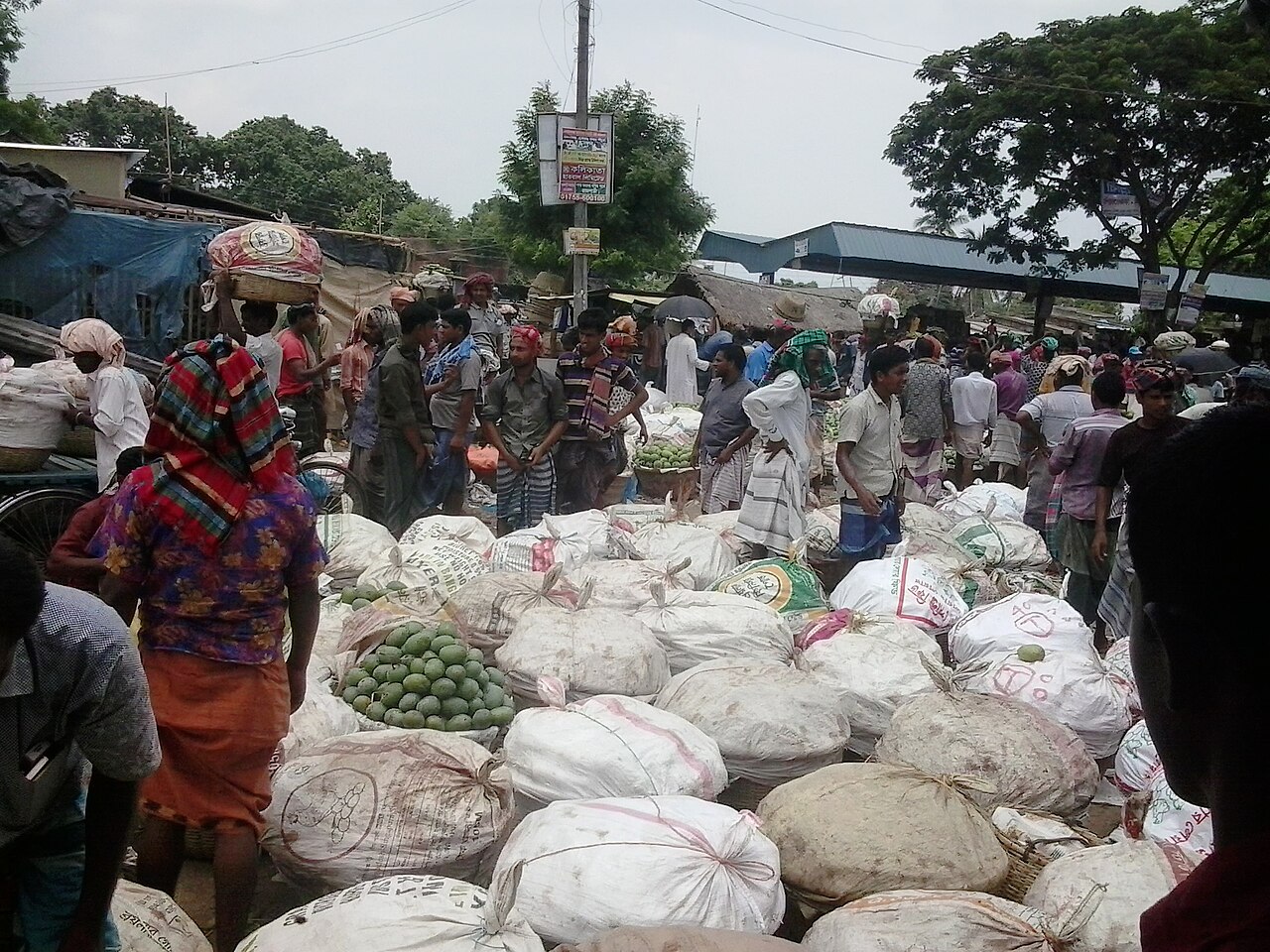
In the mango months the markets fill up with fruit. But for an early profit, green mangoes are sometimes ripened with harmful chemicals such as calcium carbide, which is banned in Bangladesh. A few simple signs tell you a lot.
1. Smell it
A tree-ripe mango has a sweet, familiar scent near the stem. A forced one may look yellow but smells of very little, sometimes even of chemicals.
2. Look at the colour
A naturally ripe mango is rarely one even colour: a little green near the stem, a few spots on the skin. A mango that is bright yellow all over yet hard at the stem is a warning sign.
3. Press it gently
A ripe mango gives a little under gentle pressure, all over. Soft outside but hard and sour inside means it was ripened too early.
4. Keep an eye on the calendar
Every year the local administration in Rajshahi and Chapainawabganj sets a picking date for each variety. Gopalbhog usually comes first, then Himsagar and Langra, and later Amrapali and Fazli. Be careful with ripe mangoes that appear long before the season starts.
A safe way to ripen mangoes at home
- Put mature green mangoes in paper bags or bed them in straw at room temperature.
- In two or three days they ripen on their own.
- Wash mangoes well before eating.